Tell us about yourself.
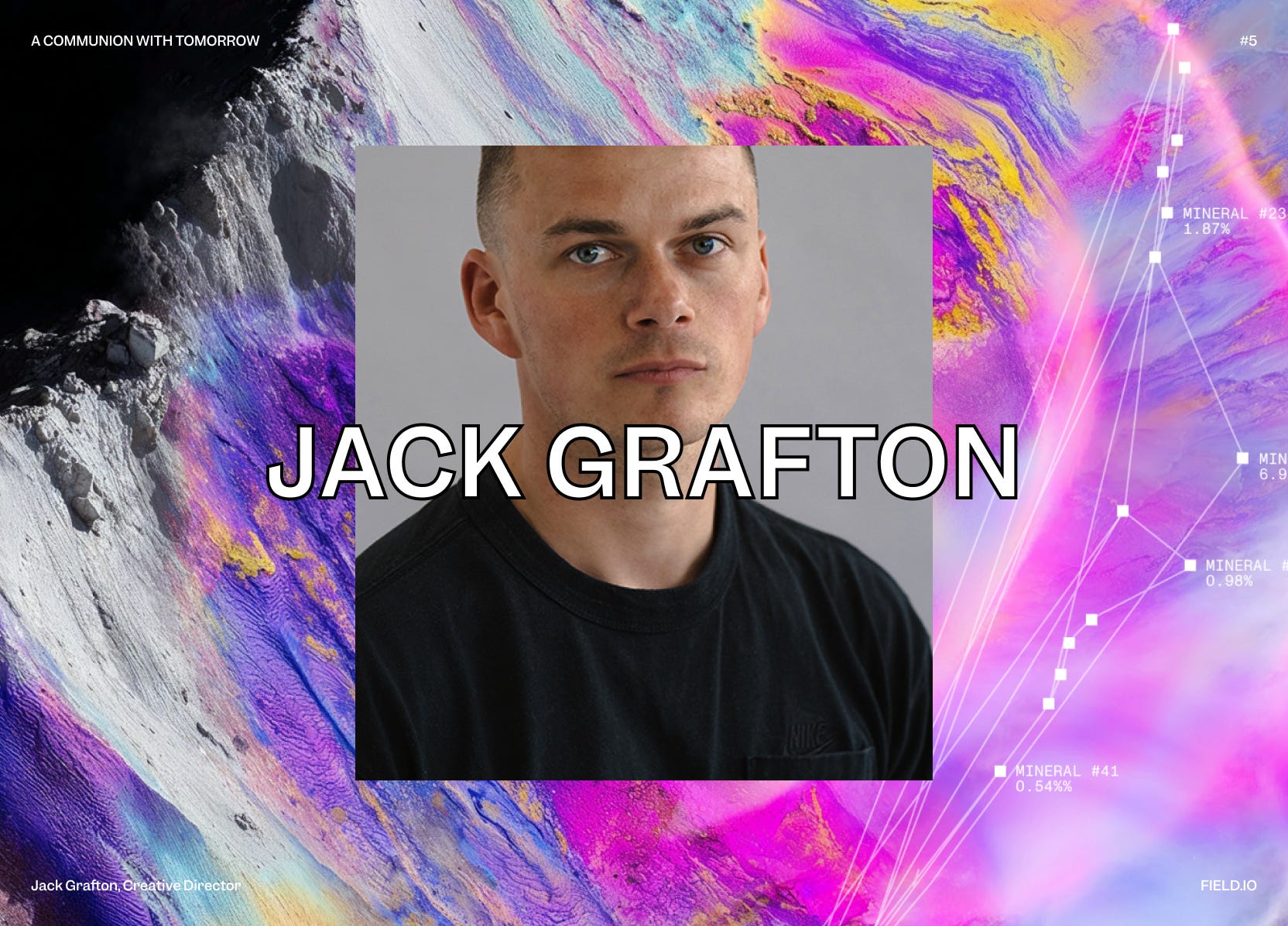
Creative Director at FIELD.IO, from Leeds, now Brighton. I’m interested in how you make information and knowledge feel like something. We’ve got more data than ever and most of it doesn’t connect to how anyone actually lives. The work I care about creates different encounters for different people, rather than pushing everyone toward the same conclusion.
01. The future is …
Burning brighter. Faster. More intensely.
02. Where does the future show up in your work today, consciously or not?
In a shift in how I think about design and creativity, craft is the floor now, not the ceiling.
I trained as a graphic designer and I still care about it deeply, but beautifully considered work isn’t enough any more. There’s too much of it. What matters more now is having an actual point of view. Figuring out what someone needs to understand or feel, and why.
Most of the inspiration for that doesn’t come from design. It comes from whatever rabbit hole you happen to fall down — for me it’s usually something scientific or ecological. The point is having something outside your own discipline that shapes how you see. Designers who only look at design tend to arrive at the same answers.
03. What feels like it’s ending?
Intelligence as a premium feature. It’ll be everywhere.
04. What feels like it’s just beginning?
Sentience and empathy as the actual bar. Whether a thing relates to you. Whether it makes you more connected, or less.
05. What’s one belief about the future you’ve changed, and why?
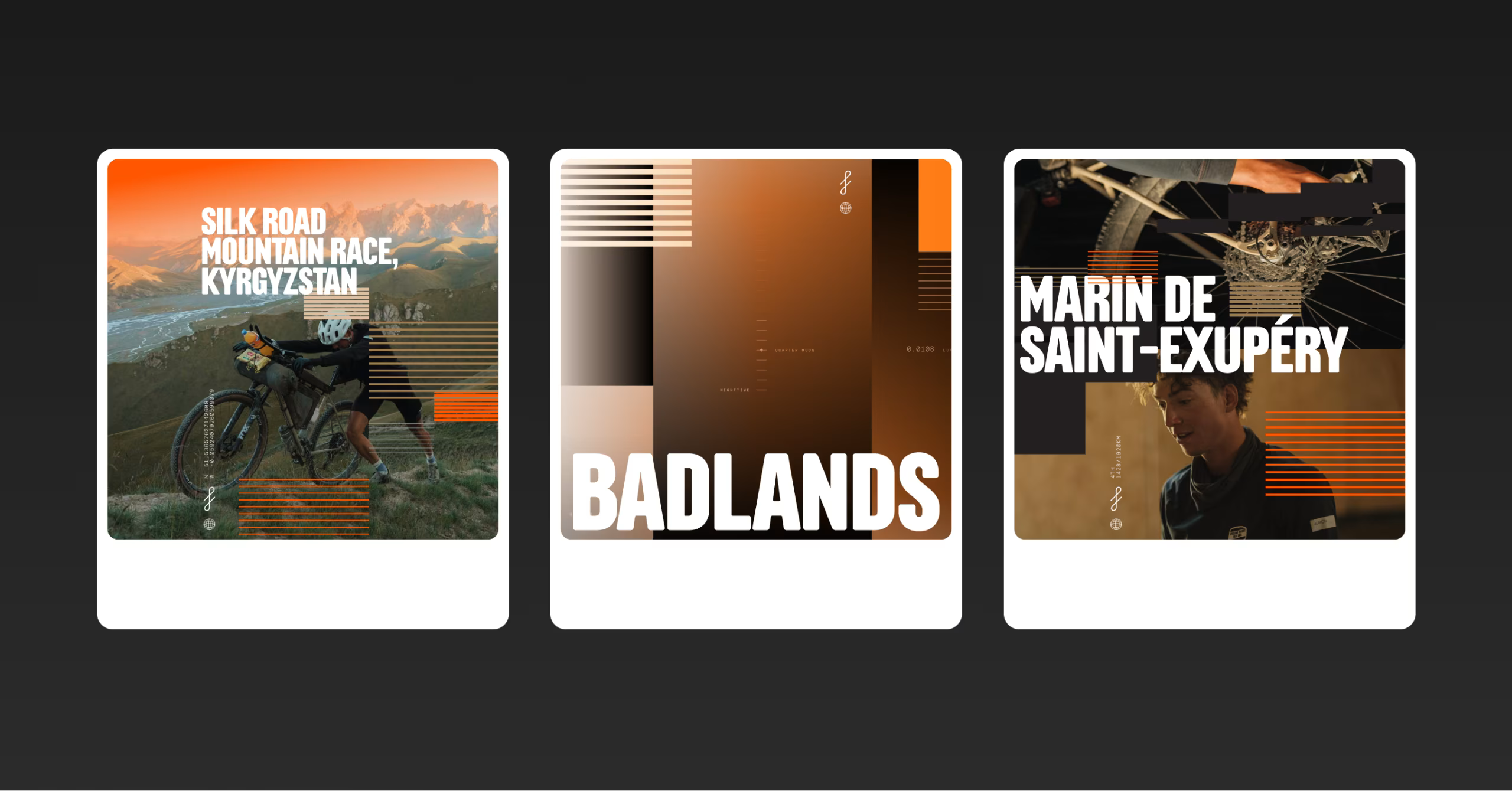
I used to think universal access was straightforwardly good. Less sure now. The silos that held mystery and eccentricity in place have been flattened, and the systems that replaced them push everyone harder in the same direction. Trends used to live at the edges. Now they’re the centre.
When a bank can adopt the visual language of a countercultural festival without any sense of irony, something has gone too far.
06. What must we carry into the future.
More than we think. The skill isn’t paring your life down to essentials. It’s learning to archive. You go deep on things, leave them alone, come back years later and realise they shaped you anyway.
07. What must we leave behind?
Optimisation as the goal in itself. The leaner version isn’t always the better one.
08. What future are you actively choosing, and how?
A future where I’m still curious in twenty years. Where I haven’t sanded my taste down to match the algorithm and the work I’m making still has edges.
By keeping my references weird, protecting the time it takes to think, and going down the rabbit holes that spark interest.
And one I’d like for FIELD too. Where the team has space to build their own points of view, hires people who read different things, takes briefs that allow a position rather than flattening one, and turns down the ones that don’t. Where the work always holds an opinion, even when the brief doesn’t ask for one.
09. What resources do you most rely on?
Mostly books. More than I expected to be saying in 2026. The printed page is an anchor while the world moves around i
t.
I also rely a lot on building my own systems for references and inspiration. I’ve made tools that organise years of images, notes and fragments by mood, motif, colour, composition and source — mainly to surface combinations I wouldn’t have arrived at on my own.
That instinct came from a leaving gift at my first job: a book of unrelated internet images, two per spread. Two things side by side can open up a completely different reading. Most of how I think about inspiration still comes from that.
A handful of things I return to:
— void() by Qubik
— Anything James Bridle
— Dungeness
— AD 93


10. What is one question we should ask or one person we should speak to next?
I’d ask it of Grit Wolany. Her practice sits somewhere between painting, AI and performance without resolving neatly into any of them. That feels closer to where the interesting work is heading.